Forum Marketing Strategy: A Step-by-Step Playbook for 2026
You've found the perfect thread. Someone is describing the exact problem your product solves, your reply is drafted, and then the doubt arrives. Post it and you might look like a spammer. Skip it and a competitor answers instead. That hesitation is where most forum work stalls, not from lack of effort but from lack of rules. A defensible Forum Marketing Strategy turns that moment into a process. You decide in advance which communities deserve time, which threads merit a reply, when a product mention is allowed, and which results justify continuing.
Table of Contents
- The Four-Phase Playbook at a Glance
- Score Communities Before You Commit Time
- Find Threads Worth a Reply
- Write Replies That Mention Your Product
- Compliance Guardrails for Disclosure and Votes
- Measure Metrics That Predict Revenue
- Decide Whether to Automate Your Forum Program
- Scale Only After the Pilot Passes
The Four-Phase Playbook at a Glance
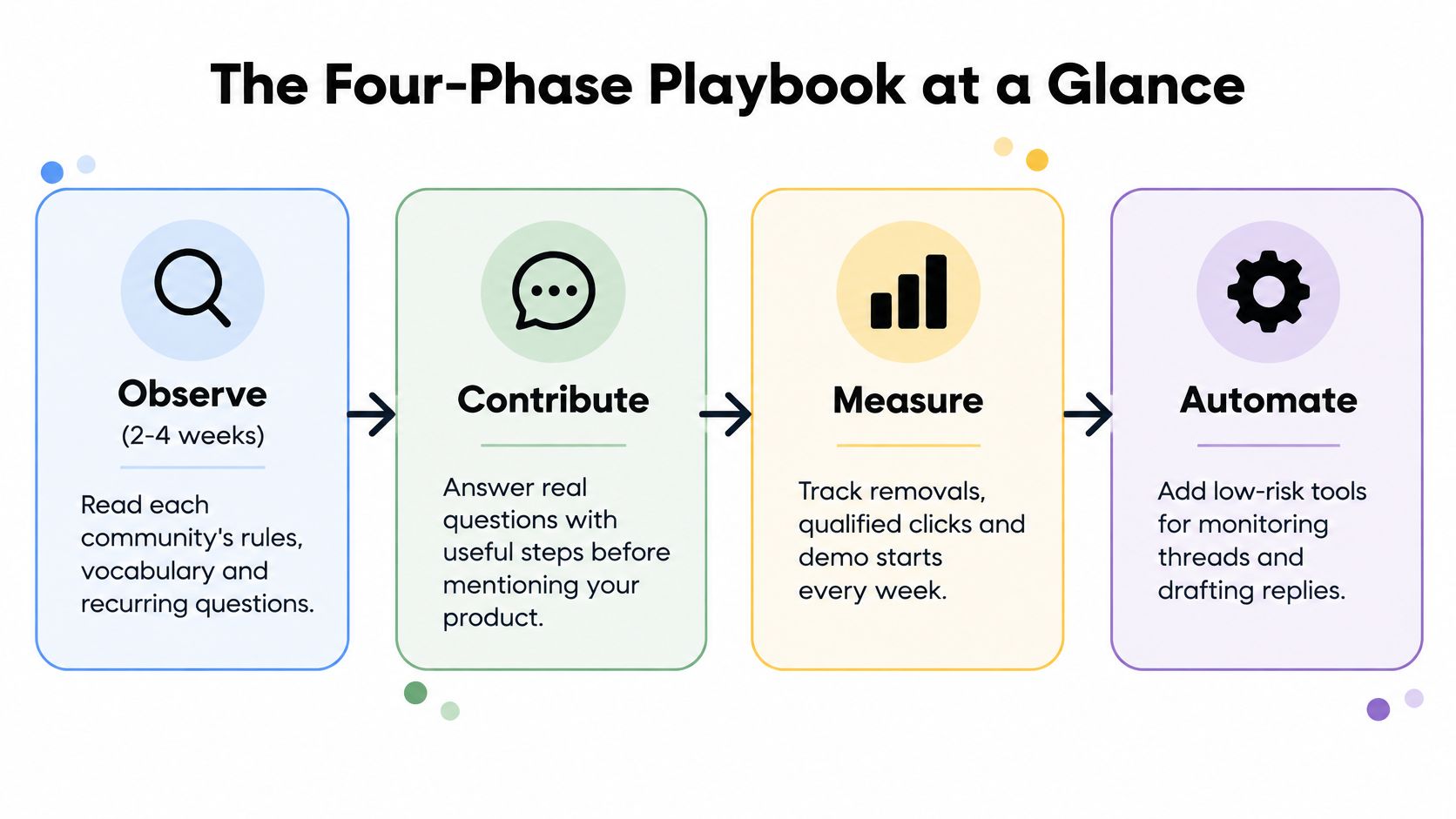
A team can join a forum, post a product link too soon, and mistake moderator removals for proof that the channel has no value. A phased approach limits that risk by setting a clear job and exit signal for each stage. Skipping observation is a common way programs fail, because the team has not yet learned what members consider a useful answer.
| Phase | Timing | What you do | Exit signal |
|---|---|---|---|
| 1. Observe | 2-4 weeks per community | Read rules, vocabulary, recurring questions, and evidence standards | You can list the five questions asked most often |
| 2. Answer | Ongoing until topical competence | Reply to questions without product links | Moderators leave replies alone, and members ask follow-ups |
| 3. Introduce | Once a problem match is clear | Mention the product only when it resolves the stated problem | Mentions receive neutral or positive responses |
| 4. Track | Weekly review, monthly rollup | Use unique tracking parameters for each forum, thread, and response | Qualified clicks and activations rise while removals stay flat |
Why Observation Comes First
Use 2 to 4 weeks as this playbook's starting guideline for observing each community before making a commercial mention. Learn its rules, vocabulary, recurring questions, and standards for evidence. This is an editorial recommendation, not a universal waiting period. The four-step forum workflow from Girard Media also covers tracking by forum, thread, and response.
Observation should produce practical decisions. Note what a credible answer includes, which claims need evidence, and where moderators draw the line. Then answer questions without promotional links until your account has demonstrated topical competence. Introduce the product only when it directly addresses the stated problem. Relevance earns room for a mention; opportunism puts the account's standing at risk.
The 80/20 Contribution Mix
As a working guideline, aim for roughly 80% useful, non-promotional participation and no more than 20% contextually relevant product references. Treat that split as a guardrail, not a quota. A reply does not become appropriate just because the account is below the promotional ceiling, and a useful contribution is not improved by adding a product mention.
Deletion test: Remove the product name. If the reply still answers the question, the mention may fit. If nothing useful remains, do not post it.
Track links by thread so you can distinguish assisted discovery from last-click conversion. Otherwise, the final click can take credit for work that began elsewhere. Upvotes are not a reliable reason to increase posting: a more promotional reply may attract attention while reducing trust and durable acquisition. Keep the program running only while qualified activity grows and removals remain controlled.
Score Communities Before You Commit Time
Communities aren't interchangeable channels with different logos. Their value depends on who concentrates there.
Early Reddit data makes the point plainly. In a nationally representative Pew Research Center survey from April 17 to May 19, 2013, 6% of U.S. online adults said they used Reddit, but usage reached 11% among online adults aged 18 to 29 compared with 2% of those aged 50 and older, according to Pew Research Center data on early Reddit usage. Among 18 to 29 year olds, 15% of men used Reddit versus 5% of women in that same survey. Those 2013 figures are dated. They matter as an early example of concentration, not as a current audience profile.
Scale isn't the constraint now. Reddit averaged 101.7 million daily active unique users in the fourth quarter of 2024, a 39% year-over-year increase, according to Reddit's fourth quarter 2024 earnings release filed with the SEC. With a platform that large, fit decides where your hours go.
The Six-Criterion Scorecard
| Criterion | Green flag | Red flag |
|---|---|---|
| Audience match | Members describe the problem your customer has | Members are students or hobbyists with no buying role |
| Self-promotion tolerance | Tools are recommended when they fit the question | Any product mention is removed or mocked |
| Disclosure rules | Written rules explain affiliation and link policy | No rules, or rules ban all commercial content |
| Activity in buyer questions | Several buyer-intent threads a week | Mostly news, memes or venting |
| Moderation strictness | Moderators explain removals in public | Removals with no explanation and frequent bans |
| Answer quality standard | Members ask for sources and specifics | Short, vague replies get the most votes |
Rate each criterion 1 to 3. Shortlist communities scoring 14 or more out of 18, and start with two. Before posting, use practical ways to search for subreddits that match your customer profile, then compare visible signals like job roles, region, stated tools, and company size against your buyer.
A small, strict niche community often beats a large general one because members ask sharper buying questions and vague promotion gets filtered out before it wastes your time. Write a one-page profile for each shortlisted community before you post anything. Note the rules, taboo topics, trusted formats, and the evidence members demand.
Find Threads Worth a Reply
A busy thread can attract attention without bringing qualified customers. Choose replies by intent and durability, then set a clear stop rule: if you cannot add a useful, complete answer, skip the thread. More upvotes are not a reliable reason to keep investing time, especially if the conversation draws the wrong audience or encourages shallow replies.
Four Thread Types
- Transactional comparison: “Which invoicing tool works for a five-person agency?” These questions can lose relevance quickly as the buyer decides. Give a fair comparison, explain the trade-offs, and disclose affiliation.
- Troubleshooting: “Why does my webhook retry three times before failing?” A useful technical answer may keep helping people who find the discussion later. Lead with the fix, and mention a product only if it addresses the problem.
- Best-tool question: “What do freelancers use to track retainers?” Similar questions may return in your communities, but check the thread history rather than assuming a fixed cycle. Offer options and say where your product is a poor fit.
- Evergreen workflow: “How do you reconcile client payments every month?” A specific, reusable answer may stay discoverable. Give the steps, and mention a product only when it adds value.
Skip off-topic threads and venting. A vendor's attempt to commiserate can read as audience capture rather than empathy.
A Simple Triage Routine
Check new threads in your target communities twice a day if that cadence fits your team's capacity. Set up alerts for Reddit threads that match your intent types, tag each thread by type, and reply only when you can contribute a complete answer. For transactional questions, respond while the buyer is still deciding. For technical questions, prioritize accuracy over speed.
Treat visibility as a hypothesis to test, not a promised return. Marketing Dive's reporting on Reddit and YouTube in AI visibility describes differences across search and AI platforms, but does not make visibility a dependable acquisition channel for every thread. The underlying analysis of Reddit and YouTube citations is a reason to inspect results, not a reason to chase votes.
Review older replies on a schedule that your team can sustain. Check whether they still answer the question and whether they attract qualified visits, assisted conversions, or customers who retain. Pause if attention rises but acquisition quality falls. A focused technical answer may be more useful than a high-traffic discussion, but your own community results should decide where time goes.
Write Replies That Mention Your Product
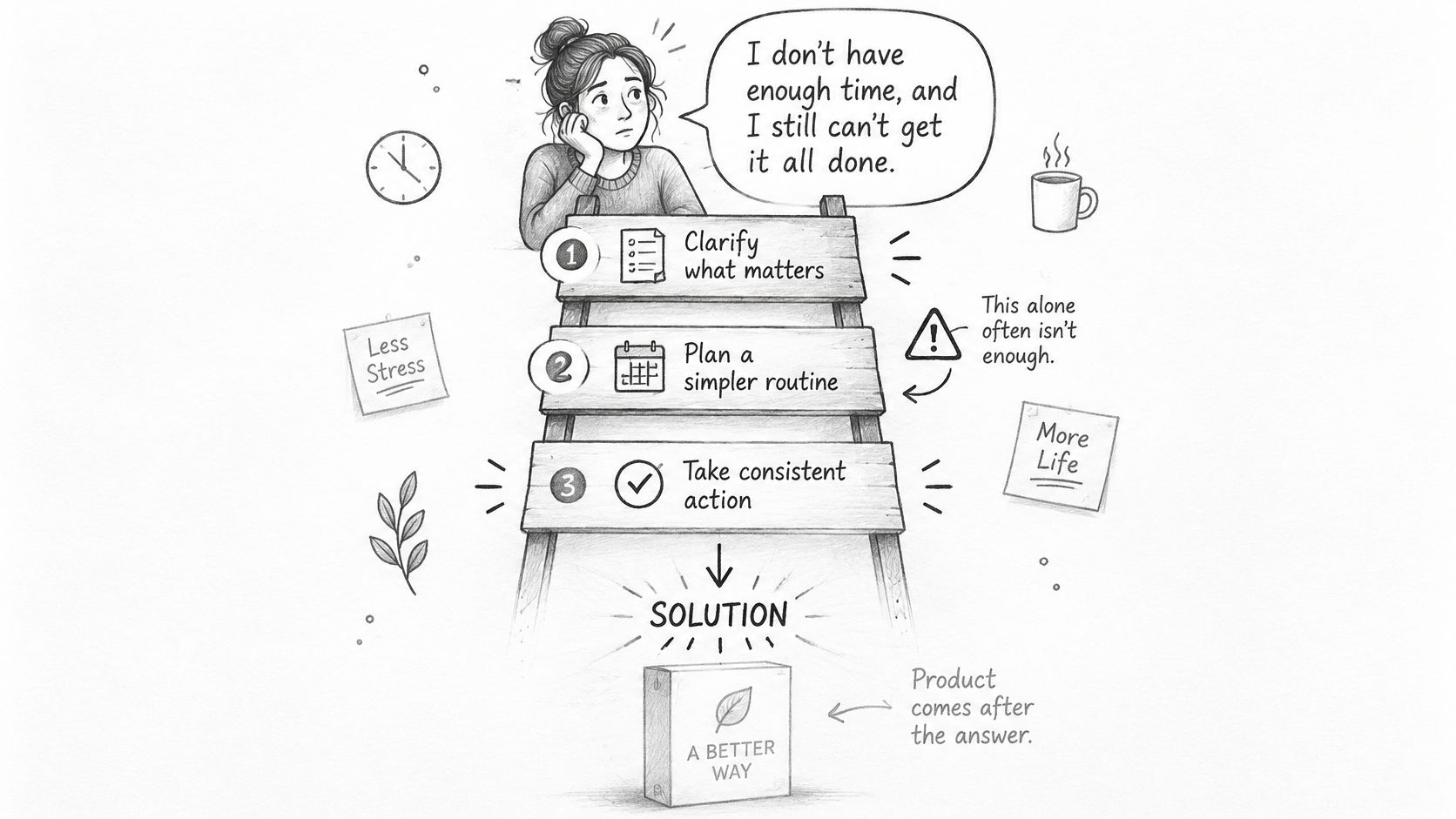
A freelancer posts that a client has ignored an invoice. Your reply should help them decide what to send before it asks them to consider your tool. Lead with useful guidance, then judge whether a product mention adds enough value to justify the trust risk.
The Five-Part Reply Structure
- Restate the asker's problem: Use their words, not your category language.
- Give the answer first: Offer steps that work without your product.
- Name the trade-off: Explain where the advice stops working or takes too much time.
- Introduce the product narrowly: State what it does and where it does not fit, only if relevant.
- Disclose affiliation in the same reply: Say so if you built the product or are paid to promote it.
A Worked Example
For a freelancer asking how to chase an unpaid invoice without sounding rude, give a few reminder drafts, with suggested timing and tone. Explain when pausing work makes sense and when a late fee may help. Then, if the tool genuinely fits, add a brief, disclosed mention: “I built a tool for this, so I'm biased, but the reminder spacing is the part I'd copy either way.”
That reply remains useful if readers ignore the product. A link-first comment that lists unrequested features and skips the tone question spends trust for a click that may never come. It can also be removed, leaving the account with less credibility in the community.
Match the community's style without copying its sales language. Formal groups often expect sources and clear limits; casual ones may respond better to concise, firsthand advice. Use the words members use. If they call it “chasing invoices,” don't repackage the problem as “accounts receivable optimization.” The latter sounds like a pitch, not a reply.
Mistakes That Give You Away
- Reusing templated replies: Members spot repeated phrasing, and moderators see it across threads. Rewrite each answer around the specific question.
- Naming competitors to criticize them: That shifts attention from the asker's problem to a sales dispute, and gives other users a reason to challenge your claims.
- Adding a call to action to every reply: Repeated invitations make even helpful comments look like a campaign. Skip the CTA unless the asker has a clear next step that your product supports.
Before posting, ask whether the advice stands on its own and whether the product mention earns its place. If you would be embarrassed to have the reply read aloud with your name and company attached, rewrite it.
Compliance Guardrails for Disclosure and Votes
Maximizing comment rank can reduce durable acquisition. When readers suspect prominence was manufactured, they discount the recommendation and remember the brand for the wrong reason. Visibility bought with coordinated votes or recycled accounts isn't trust. It's exposure with a credibility tax attached.
Three Questions Every Team Should Answer
How much product mention is acceptable? Keep to the 80/20 frame from the opening section, and never mention your product in a first reply to a new thread unless it directly answers the question.
When should you disclose? Always when you built the product or you're paid for it, both in the reply and in the profile. Disclosure buried weeks later in an edited post doesn't count as candor.
What triggers moderation? Repetition, vote manipulation, hidden affiliation, and answering with only a link account for most trouble.
| Behavior | Status | Why it matters |
|---|---|---|
| Disclosing affiliation in reply and profile | Required | Readers forgive a disclosed builder far more than a hidden one |
| Mentioning your product in every reply | Avoid | Repetition is flagged as promotion and removed |
| Asking for or coordinating upvotes | Avoid | Manufactured consensus breaks platform rules and reader trust |
| Aged or purchased accounts to look established | Avoid | Account bans and loss of credibility |
| Posting the same text across several communities | Avoid | Removals and moderator blacklists |
| Answering a question with only a link | Avoid | Fails the asker and reads as spam |
For a small team, one ban can erase a community that took weeks of observation and unpaid helping to build. You can't amortize that loss across dozens of accounts without creating exactly the pattern moderators look for.
Compliance also isn't your only defense. Third-party tracking reported Reddit lost 64.2 SISTRIX Visibility Index points during Google's March 2026 core update before partially rebounding, according to Keywords Everywhere tracking of Reddit visibility in Google search. Search exposure can swing even when you behave well, so spread effort across communities rather than depending on one thread.
Keep three working rules. Read each subreddit's rules before the first post, use one identity per person, and never ask anyone for votes.
Measure Metrics That Predict Revenue
A reply can draw clicks from people who will never buy, while repeated removals or complaints signal that the community cost may outweigh the reach. Track the risks alongside commercial outcomes, and set pause rules before the pilot starts.
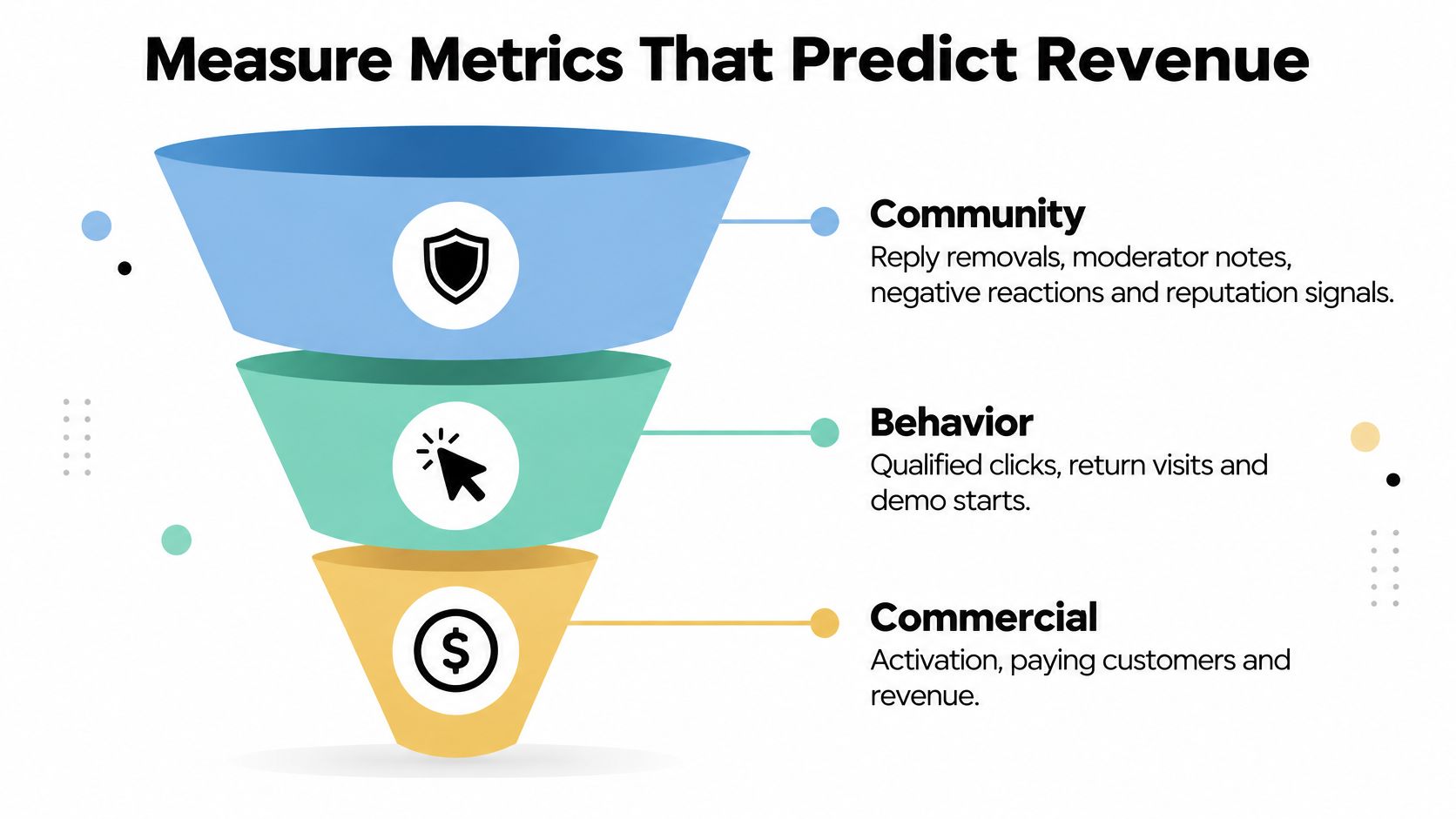
| Level | Metric | What it tells you | Review cadence |
|---|---|---|---|
| Community | Moderator removals per 20 replies | Whether your reply style fits the community | Weekly |
| Community | Negative reactions and complaints | Early warning of backlash | Weekly |
| Behavior | Qualified clicks and demo starts | Whether threads bring people who match your customer profile | Weekly |
| Behavior | Return visits from the same thread | Whether the thread keeps producing value | Monthly |
| Commercial | Activation rate of forum-referred signups | Whether forum traffic becomes users | Monthly |
| Commercial | Pipeline per contribution | Revenue weight of each community | Quarterly |
Trust as a Leading Indicator
A survey of 534 valid respondents found that online brand communities significantly affect consumer trust and engagement, with peer interaction and engagement acting as mediating mechanisms, according to research on online brand communities, trust, and engagement. Treat this as evidence for monitoring trust, not as proof that community activity will generate revenue. The findings are survey based and context specific, not revenue forecasts.
Score each opportunity for intent, topical fit, and credibility risk before replying. Compare cohorts by intent using conversion and qualified-lead rates, rather than relying on aggregate clicks. For a framework that separates assisted and last-click conversions, see SaaS marketing ROI from assisted and last-click conversions.
Use unique tracking parameters for each forum, thread, and response. Keep attribution windows consistent, for example 30 days for signups and 90 days for pipeline, and report assisted conversions separately from last click. Where volume allows, test randomized message variants instead of changing copy based on a hunch.
Set the operating thresholds in advance: a human reviews 20 replies weekly, cohorts are reviewed monthly, and a community is paused if removals or complaints rise two weeks in a row. More upvotes alone are not a success signal. If they come with weaker qualified leads or rising complaints, reduce activity or exit that community rather than optimizing for visible approval.
Decide Whether to Automate Your Forum Program
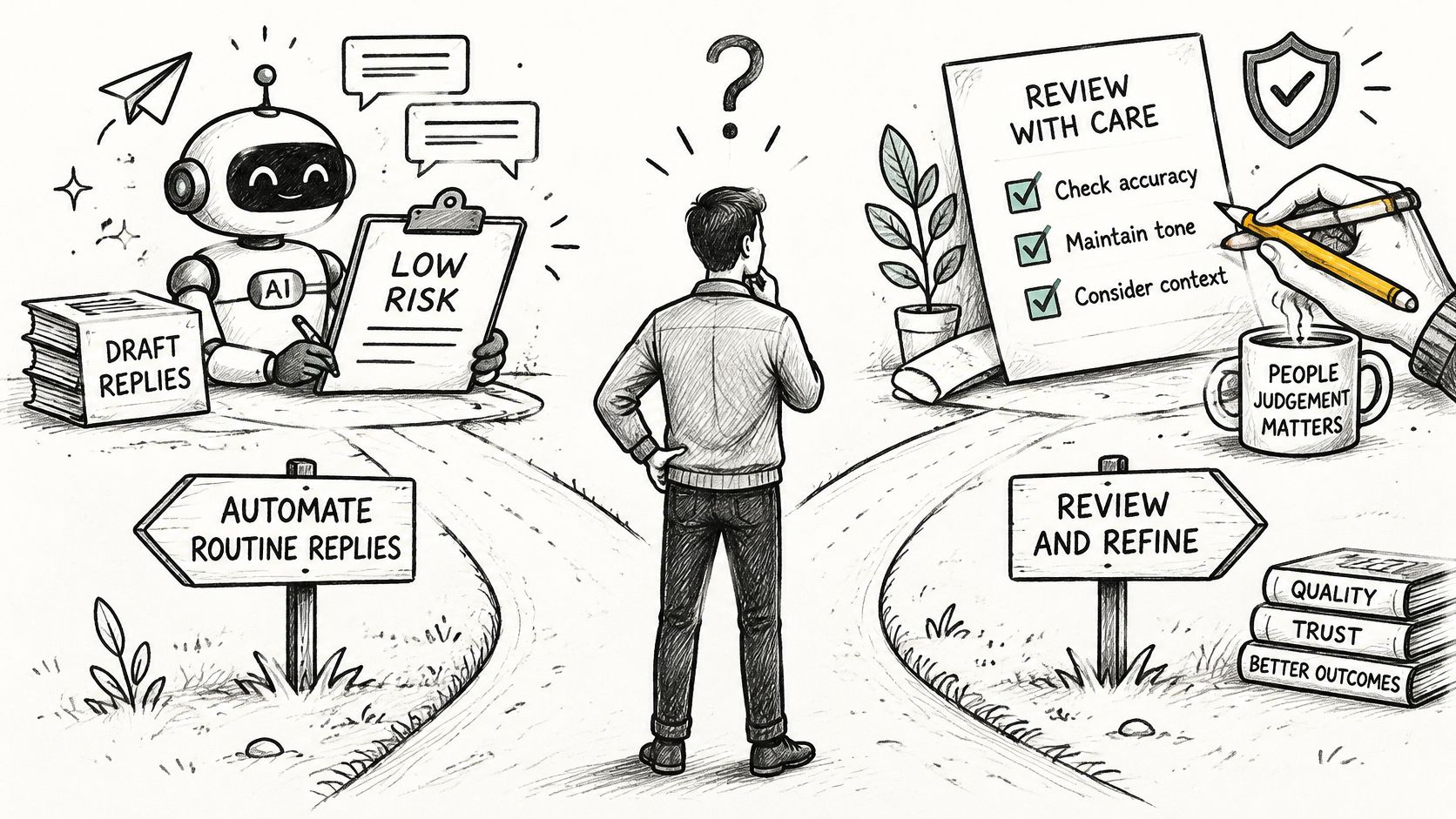
A monitoring tool can save scanning time, but it cannot judge whether a reply fits a community's norms. Automate discovery and draft preparation; keep publishing decisions with a person who can assess context and risk.
Low-Risk and High-Risk Uses
Use automation to monitor subreddits for relevant threads, prepare drafts from written guidelines, queue replies for review, and flag removals. These tasks reduce manual searching without changing what readers see.
Posting without review, coordinating upvotes, using aged or purchased accounts, and sending mass direct messages carry higher risk. They can trigger the behaviors covered by the guardrails, while leaving accountability with the brand and account moderators see. More upvotes are not necessarily a win: manufactured or poorly targeted engagement can damage trust and weaken durable acquisition.
Three Criteria Before You Buy Anything
- Volume exceeds manual triage: Relevant threads arrive faster than your team can reliably scan and tag them.
- A reviewer exists: Someone reads replies each week and can pause activity in a community.
- Drafts survive editing: Human revisions make each reply specific to its thread, rather than a lightly altered template.
Bazzly is one example of a monitoring and drafting tool; apply these three criteria to it and to any other tool you consider.
Set the pilot's guardrails before turning on automation: assign a reviewer, define which outcomes trigger a pause, and decide what evidence would justify stopping. Run a two-week pilot in one community. At the end, make a go or no-go decision using removals, qualified clicks, and demo starts, not the number of replies produced. If risk rises without signs of qualified acquisition, pause the program rather than adding more automation.
Scale Only After the Pilot Passes
Scaling means repeating a process that already survived scrutiny, not multiplying an untested one. Hold the pilot community steady for four more weeks after a go decision. Confirm removals and complaints stay flat while qualified clicks and demo starts rise.
Add one new community at a time. Score it on the six-criterion scorecard, write its one-page profile, and run a fresh two-to-four-week observation period before any product mention. A reply style that works in a casual freelancers' forum can fail in a formal technical one.
Cap active communities at what one reviewer can realistically read each week. Keep the review of about 20 replies per community as the minimum, even when drafting gets faster. If review capacity doesn't grow, community count shouldn't either.
Give each community a named owner who logs removals, negative reactions, and complaints in the weekly review. Pause any community whose removals or complaints rise two weeks in a row. Restart it only after rereading its written rules and adjusting reply style.
Drop a community whose pipeline per contribution stays below the program average for two quarters. Keep the same tracking parameters and attribution windows everywhere so cohorts remain comparable and you can combine results into one monthly rollup without redefining success each time.
If you're ready to find high-intent Reddit threads without scanning subreddits all day, Bazzly monitors relevant communities, drafts context-aware replies, and lets you post from your own account through its Chrome extension with controls for tone and targets. Use it for monitoring and drafting, keep a human reviewer on every reply, and judge the pilot by qualified clicks and activations rather than comment rank.